When tabulating the butcher’s bill of armed conflict, we have grown used to expressions like collateral damage, a euphemism for the deaths and injuries of noncombatants unfortunate enough to be in the wrong place at the wrong time when bombs fall or missiles strike. War historians and analysts regularly look beyond death tolls and counts of the wounded to calculate the fiscal costs of war, while others track the trade-offs in domestic spending on health, education, and child welfare made to sustain America’s scandalous level of spending on so-called defense.
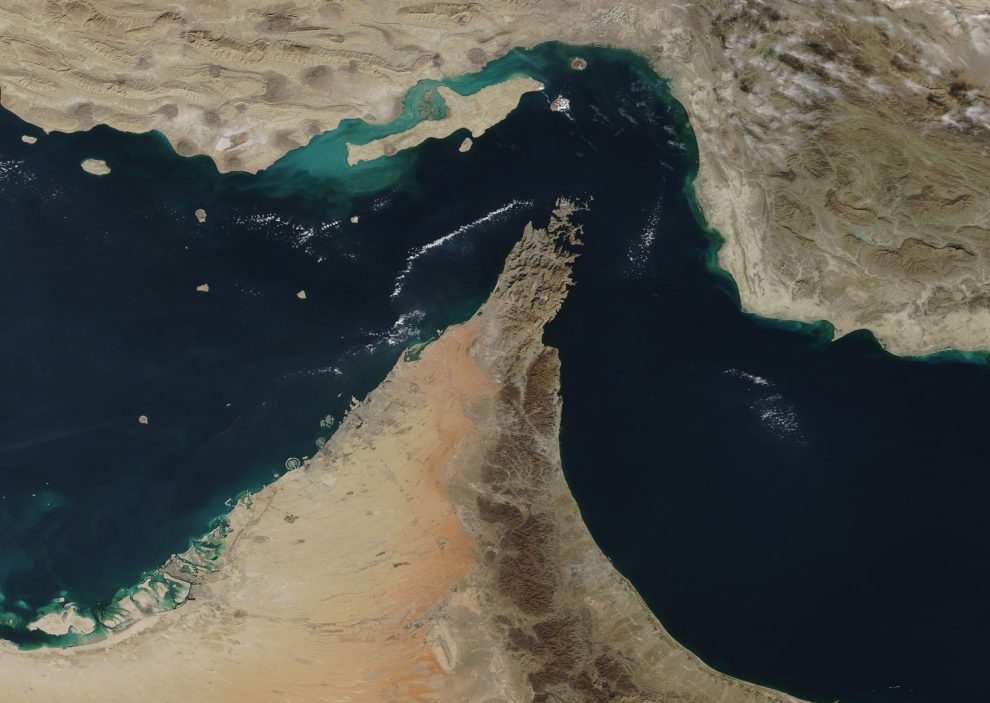
The war with Iran shows that the true cost of warmaking includes an even broader tally, with external costs reverberating around the world. When Iranian forces predictably locked down the Strait of Hormuz as soon as U.S. and Israeli air strikes began, oil and gas prices spiked. As shipping costs rose, food prices and the prices of agricultural inputs like fertilizer did, too.
The strait became a choke point for the global economy. In nations with strong safety nets and energy reserves, the results have been painful but not mortal. The same cannot be said of the outcomes in more vulnerable places around the world, where protests broke out as scarcity drove up prices.
Many vulnerable nations of the Middle East nearest the conflict—Lebanon, Syria, and Iran itself—have suffered the highest increases in food costs, but the impact is also already being felt in India, Bangladesh, and the Philippines. Farmers unable to afford fertilizer are cutting back on planting this year, suggesting that hunger and higher costs will persist long after the conflict is concluded.
The United Nations World Food Program warns that the war could add almost 45 million more people to the 318 million people already facing acute food insecurity in 2026. In the coming year, hunger driven by resource scarcity could claim lives far from the Iranian conflict arena.
Over decades, the global economy has become deeply integrated. Little happens now regionally or domestically that does not create ripples across the world economy. Researchers report that Guyana is the only country in the world that can still claim total food self-sufficiency. The rest of us are part of a vast international trade interdependency that in a saner world would lead to a preferential option for peace.
The war on Iran falls far short of standards demanded by the church’s just war tradition, because the resort to conflict was made to address a potential menace, not an imminent threat. Additionally, it fails on the condition of proportionality—the suffering engendered by conflict cannot exceed the suffering meant to be addressed.
With trade throttled and commodity costs escalating, the Iran campaign is creating real suffering in real time, not along some speculative horizon. In an analysis for the Council on Foreign Relations, historian Max Boot says: “As a result of the war, the World Bank downgraded its global forecast for economic growth this year to 2.5 percent—the lowest level since the Covid-19 pandemic.” That abrupt deceleration in global output will most hurt people already living on economic and nutritional margins.
Of course, the diminishing authority of the church’s just war teaching has come under increasing scrutiny. At a Vatican conference in May, Cardinal Víctor Fernández, prefect of the Dicastery for the Doctrine of the Faith, warned that the just war framework has too frequently been misapplied in political discourse—its concept of “legitimate defense” stretched to justify nearly any armed conflict. In Pope Leo XIV’s Magnifica Humanitas (On Safeguarding the Human Person in the Time of Artificial Intelligence), he referred to the tradition as “outdated.”
Coming much closer to a full and honest accounting of the comprehensive risks and costs of conflict might help revive the relevance of just war teaching in contemporary geopolitics. That will mean recognizing the interconnected nature of communities around the world and counting up human suffering created far away from any battlefield.
This article also appears in the September 2026 issue of U.S. Catholic (Vol. 91, No. 9, page 41). Click here to subscribe to the magazine.
Image: NASA