“O daughter Babylon, you devastator!…Happy shall they be who take your little ones and dash them against the rock!” (Psalm 137:8-9).
When I think of the psalms, I think of "The Lord is my shepherd, I shall not want." Or, "You will not fear the terror of the night." And yet here is a hymn to God about dashing babies against rocks. Sometimes it’s easy to forget that the psalms aren’t all prayers of thanksgiving or joy. They are also the pleas of a people who feel like they were forgotten by God. People so lost and desperate and angry that they dreamed about killing the children of the people who were subjecting them to slavery.
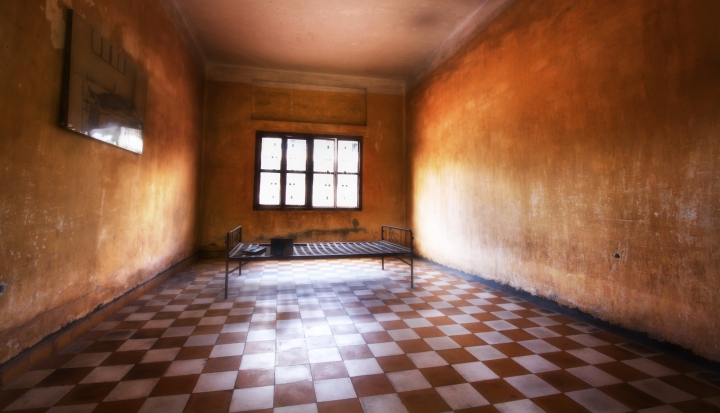
Chris Hoke, a writer and prison chaplain, writes about reading the psalms with kids in juvenile detention. With some of the most broken, angry, and forgotten teenagers, he reads not the psalms of thanksgiving or God’s goodness, but Psalm 137. “This is the Bible,” he tells them, “Singing to God about killing babies. The very things that might get you arrested, kicked out of school or your job or your marriage.”
Hoke tells the young adults he works with that it’s okay to be angry at God. To feel forgotten. To feel like you have nothing to pray about. God can handle our anger, despair, hopelessness.
This is an important message not just for incarcerated teenagers, but for all of us. Far too often, we feel like we have to moderate our prayers. Share with God only our thankfulness. Plead to God in careful, moderated language about what we need or want, when inside we have no words to truly express the depth of our feeling. But really, we don’t have to be so careful. God will not abandon us. God will not even be offended or think less of us.
Hoke reminds us that the psalms are not about God, but about humans and our relationships. They are written by people going through very real struggles, dealing with incomprehensible tragedies. And still, they don’t close themselves off to God, they don’t censor themselves in their prayers. They let God know that they are so desolate that they can share no lofty sentiments, no beautiful prayers besides: “Dear God, please kill the children of my enemies. Preferably in the most graphic way possible so they can feel some of my pain.”
Knowing that God still accepts these prayers, in all their messiness and anguish, can be freeing. Can keep us praying when the world seems darkest. Yes, this is a vital message for those imprisoned around the world. But it is also something that we need to hear in our own dark times.
Image: Flickr cc via Chris Ford