

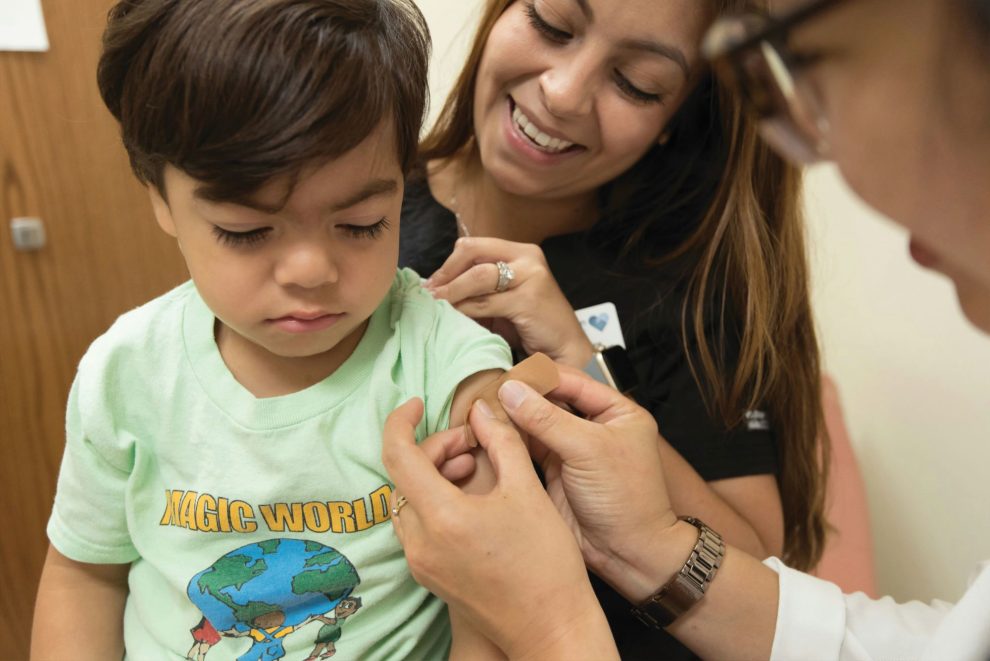
When the U.S. Food and Drug Association approved the first human papilloma virus (HPV) vaccine in 2006, my nurse practitioner mother sat me down to discuss it. The vaccine prevents cervical cancer by protecting against the strains of HPV responsible for most cases. My mother urged me to get the vaccine before I aged out of access (at the time, 26 was the cut-off); just months after the vaccine was made available, I received it.
Nearly 20 years later, cervical cancer remains the fourth most common cancer globally. It is also one of the most preventable cancers, through a combination of vaccination against HPV and early detection screenings. And yet, misinformation and deeply ingrained stigmas surrounding women and sex have stymied efforts to curb the disease. From claims the vaccine would promote promiscuity and fears it would cause infertility to the more generalized stigma of acknowledging any gynecological illness, women and girls have long been left vulnerable and ostracized.
According to the World Health Organization, there were an estimated 660,000 new cervical cancer cases and 350,000 deaths from cervical cancer in 2022 alone. A staggering 94 percent of deaths occur in low- and middle-income countries, where education, screening, and treatment are difficult to access.
Faith communities are uniquely positioned to combat misinformation and stigma surrounding health care and provide access, because religious leaders and faith-based health care centers are trusted in local communities. In Kenya, the African Health and Economic Transformation Initiative (AHETI), in partnership with Catholic dioceses and Catholic sisters, has mobilized on HPV vaccination and cervical cancer screenings. In 2024 and 2025, convenings brought together health care experts, religious leaders from different traditions, and members of civil society to educate and engage faith communities on cervical cancer prevention.
Speaking in support of vaccination, Archbishop Philip Anyolo of Nairobi said, “As shepherds of our communities, we must not only preach about dignity and life; we must protect it. This moment demands more than prayer; it demands action.”
Along the northern coast of Kenya, the Diocese of Malindi has intensified efforts to increase education and provide vaccine access through a series of health camps. With the support of Bishop Willybard Kitogho Lagho and AHETI, Sister Lilian Makena coordinates efforts to provide screenings and vaccine access across a largely rural diocese with limited health care access. “In these,” Makena says, “we have reached out to the marginalized, strengthened the health systems, diagnosed diseases early, and referred for early treatment” while also identifying gaps and places for collaboration with the government.
Last August, I visited Malindi to learn from the sisters working on public health there. I tried to envision how this small dispensary and lawn transformed into a pop-up medical camp that saw hundreds of patients in a single day. Vaccinations and cancer screening are normalized alongside dental services, diabetes screening, and more. Integrating information on the vaccine and screenings within wider medical camps, the sisters chip away at stigma and reach a wider population.
While not all bishops and dioceses have endorsed the HPV vaccine, support is growing. In addition to general myths and stigmas surrounding women’s health, Western medical developments are often met with suspicion as a result of unethical medical testing and colonial exploitation. Additionally, vaccination efforts suffered a setback 10 years ago after a controversial report stated that tetanus vaccines were being laced with birth control.

Everyone I spoke with in Malindi and Nairobi said trust between the people and the church brings with it a responsibility to attend to health education. For Catholics, health and education are key components of integral human development. And empowering people to understand and positively care for their own health and that of the community is a matter of human dignity. Catholics are called to care for the sick as a work of mercy, as Jesus did.
The Gospel of Mark includes a brief story about a woman who “suffered greatly” from hemorrhage and spent all she had seeking treatment, but it “only grew worse.” Ostracized, she silently reached out to touch Jesus’ cloak with immense faith that she could be healed. In her story, I see countless women whose health and well-being suffer needlessly because they do not have access to health care—women, such as those in the rural parts of the Malindi diocese, who must travel hours or days for treatment.
During the COVID-19 pandemic, Pope Francis said vaccination is a profound act of love. As we think more broadly about vaccination and public health beyond that pandemic, we need to deepen our thought about love and the common good. Preventing and eradicating diseases through vaccination is a concrete act of love and intergenerational solidarity. The work AHETI and Catholic sisters are doing today helps to ensure the health and well-being of women and girls decades from now.
“In Jesus’ public ministry,” says Pope Leo XIV in Dilexi Te (On Love for the Poor), “the Church understands that caring for the sick, in whom she readily recognizes the crucified Lord, is an important part of her mission.” In living out this mission, we must tear down social stigmas and barriers to health.
This article also appears in the February 2026 issue of U.S. Catholic (Vol. 91, No. 2, pages 40-41). Click here to subscribe to the magazine.
Image: Unsplash/CDC



Add comment