

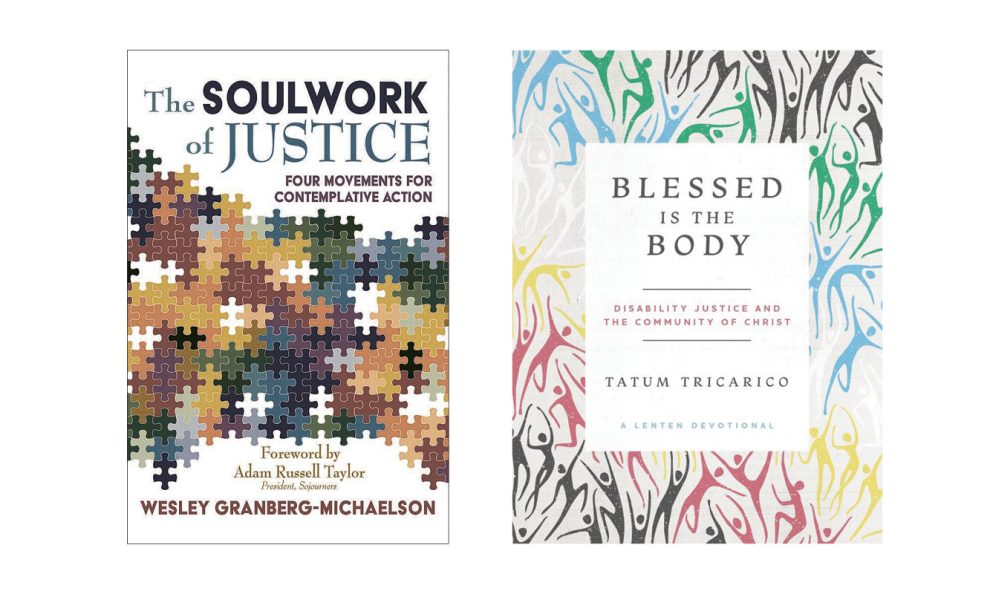
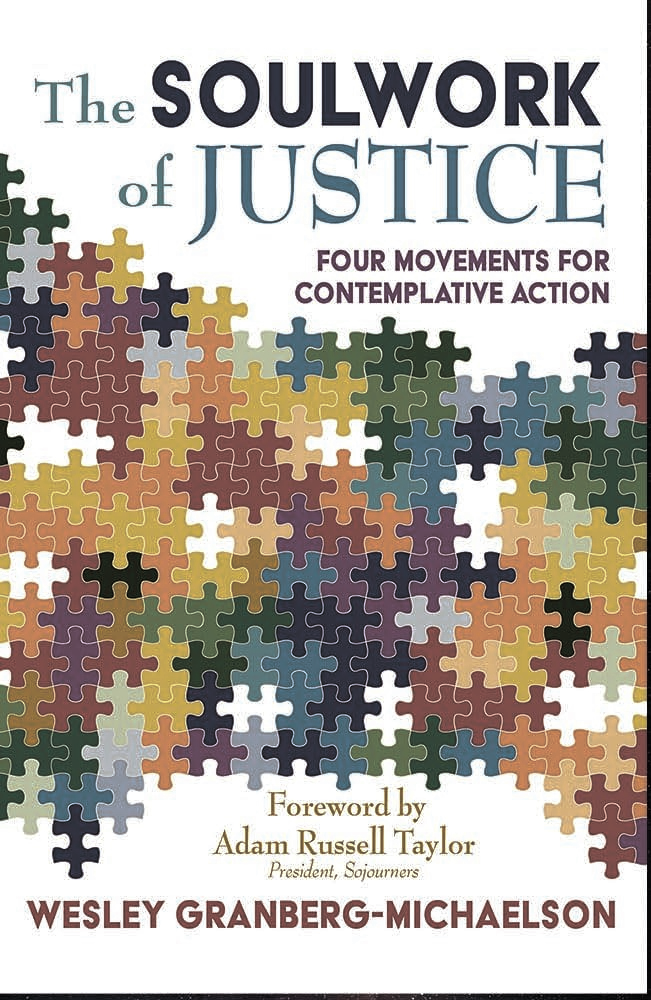
The Soulwork of Justice
By Wesley Granberg-Michaelson (Orbis Books, 2025)
“The world of social activism nurtures grandiosity,” Wesley Granberg-Michaelson states frankly in an early chapter of his latest book, The Soulwork of Justice. With a decades-long career at the crossroads of faith and civic life, including stints as legislative director for Oregon Senator Mark O. Hatfield and director of Church and Society for the World Council of Churches, the author has had numerous opportunities to recognize that the “cracks in your façade are easily repressed when you’re convinced that you’re doing good work.”
As a counter to this, Granberg-Michaelson offers ways of transforming four “primal patterns” that can afflict spiritually oriented activists. These he names as “self-sufficiency, certainty, grandiosity, and control.” Chapter by chapter, he traces the movement “from the protected self to the surrendered self” that is realized “more through abandonment than achievement.” This journey risks confrontation with pain, emptiness, and prideful attachment, but ultimately ends “in a pervasive trust that overflows the boundaries of your life into that Love that is the center of all life.”
Drawing on the work of Dominican priest Albert Nolan, the author relinks the traditions of prophecy and mysticism—the idea that authentic prophetic witness is born of personal experience of God, and that the mystic’s heart naturally overflows into social solidarity.
I counted two references to Søren Kierkegaard in The Soulwork of Justice—and the interspersal, throughout the text, of excerpts from 50 years of journals recalls the Danish philosopher’s technique of nesting one narrative voice within another. This structure gives us a glimpse into the evolution of a soul in time and guides us to find our own “insurrection of grace.”
—Michael Centore
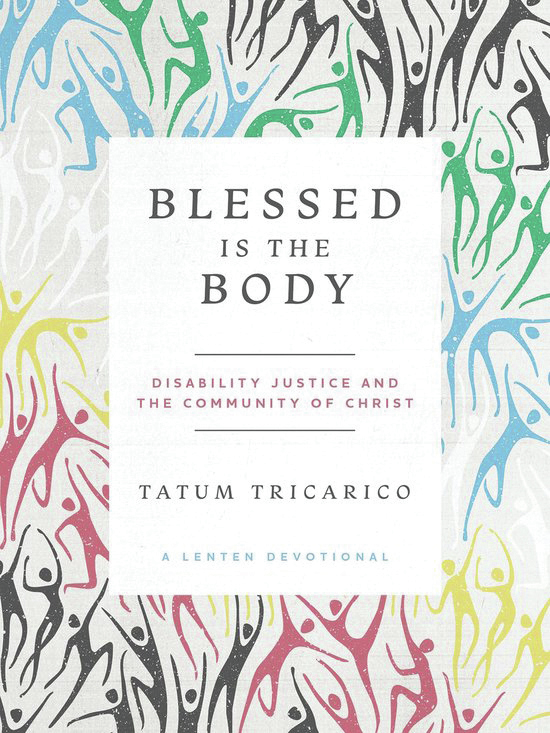
Blessed Is the Body
By Tatum Tricarico (Menno Media, 2025)
In the introduction to Blessed Is the Body, disability rights activist and theologian Tatum Tricarico recalls a fourth-grade friend who stuttered. When her friend was called upon to read in class, Tricarico would pray that God would help her not stutter so other kids wouldn’t laugh. “But now, if I were sitting there today, I’d change my prayer,” Tricarico writes. “I’d pray, ‘God, let them listen,’ because the stuttering is not the problem, the laughter is.”
Blessed Is the Body is a life-affirming Lenten devotional that engages with disability justice through biblical stories and characters who were impacted by disability. Tricarico writes about allyship through the story of Mary and Martha advocating for their brother Lazarus after he died: “Allyship is a deeply Lenten practice, honoring the limits of those around us and coming alongside one another in community.” Other stories include that of Moses, who said to God, “I am slow of speech and slow of tongue.” Instead of curing Moses of his disability, God accomodated him through Aaron.
Discussing Judy Heumann, Brad Lomax, and others who took part in the historic 504 Sit-in of 1977—which won civil rights for people with disabilities—Tricarico compares their sit-in with the heavenly banquet. She mourns those killed by caretaker violence and laments that churches are still exempt from the Americans with Disabilities Act (ADA). Reflecting on the rejoicing crowd on Palm Sunday, Tricarico writes about organizing the first Disability Pride parade in Durham, North Carolina, and the powerful sense of hope.

“Disabled people teach us a creativity in finding God that the church desperately needs,” Tricarico writes. In a culture that demands bodies be “productive, invincible, beautiful,” this devotional honors all bodies as holy.
—Cassidy Klein
Briefly noted:
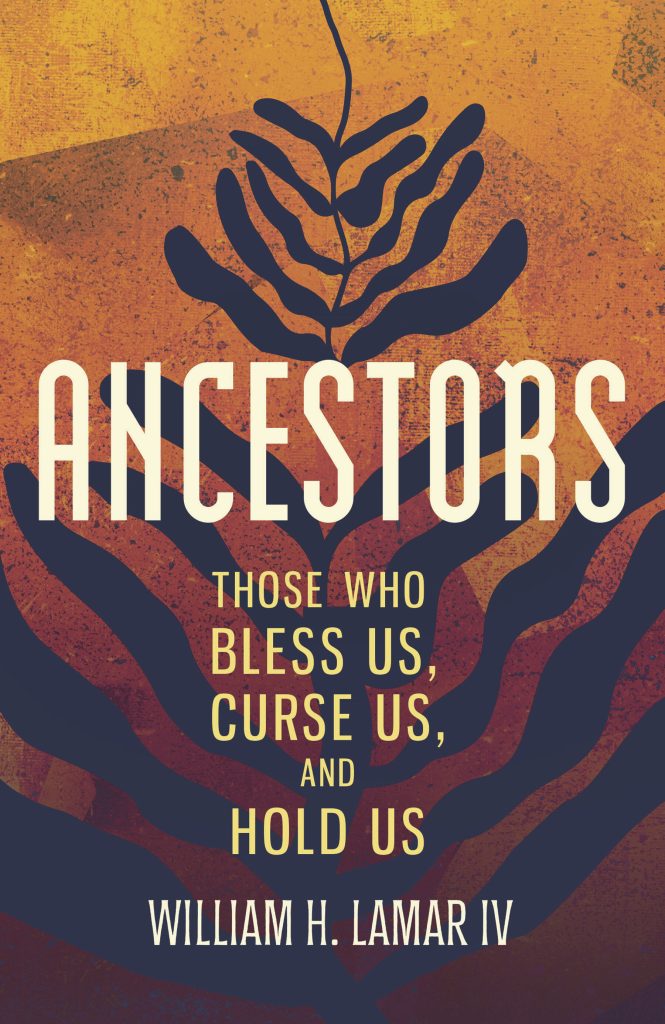
Ancestors: Those Who Bless Us, Curse Us, and Hold Us
By William H. Lamar IV (Broadleaf Books)
Lamar implores us to look back at our ancestors to better see their impact—positive and negative—on our present identity, delving into narratives of justice, ethics, and transformation.

The Boy with Big, Big Energy
By Britney Winn Lee and Jacob Souva (Beaming Books)
Follow the story of a boy learning to channel his overflowing energy through activities and calming techniques. A useful read for high-energy and neurodivergent children.

Twice Blessed
By Nikki Grimes (Paraclete Press)
In this short read, Grimes explores how the things we use and pass on are part of what makes us human, revisiting the value in objects that are sometimes lost to time and memory.
This article also appears in the March 2026 issue of U.S. Catholic (Vol. 91, No. 3, page 39). Click here to subscribe to the magazine.





Add comment