

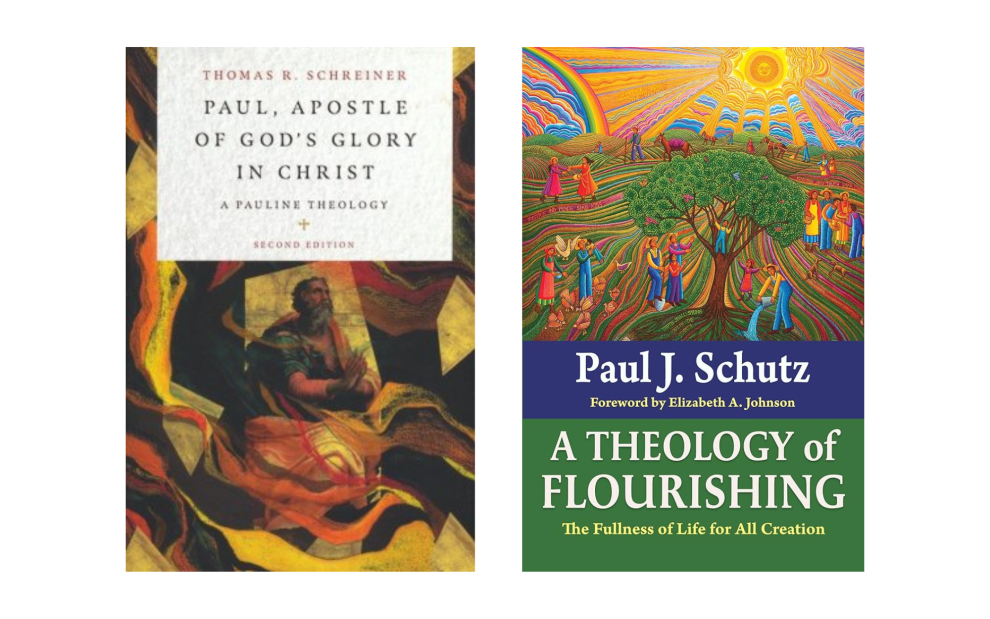

Paul, Apostle of God’s Glory in Christ: A Pauline Theology—Second Edition
By Thomas R. Schreiner (InterVarsity Press, 2025)
In the second edition of this accessible work on Pauline theology, Thomas Schreiner connects Paul’s writings with the contemporary realities of the Christian faith. Over the book’s 16 chapters, he explores Paul’s apostolic ministry to the Gentiles as a fulfilment of God´s plan of bringing all people into communion and fellowship.
The fulfillment of God’s promise, Schreiner reminds us, was central to the religious and social imaginations of the children of Israel. After his conversion, Paul began to believe that Jesus was the Messiah because of the nature of Jesus’ relationship with God, built on obedience and fidelity. Schreiner connects Paul’s experience of suffering and persecution with his proclamation of Jesus’ messianic identity and with Jesus’ suffering and death, which unleashed God’s saving power in the world.
The central message of Paul’s ministry, Schreiner writes, is that the resurrection of Christ has ushered in a new age, as promised by God. The gift and presence of the Spirit make it possible for believers to remain ardently committed to God’s plan for salvation.
When Paul writes about the Spirit, Schreiner observes, he employs the language of exhortation, inviting believers to a
way of life that reveals the Spirit’s work in their lives. Paul’s exhortations, then, are not appeals to human abilities but invitations to believers to allow the Spirit to lead and guide them in their lives of faith. The image of the body of Christ in Paul’s writings emphasizes the unity of these believers. This, Schreiner emphasizes, makes the church the revelatory presence of God in the world.

Teachers, students, and pastors can all benefit from this comprehensive study that covers a broad range of Pauline theology.
—Father Ferdinand Okorie, C.M.F.
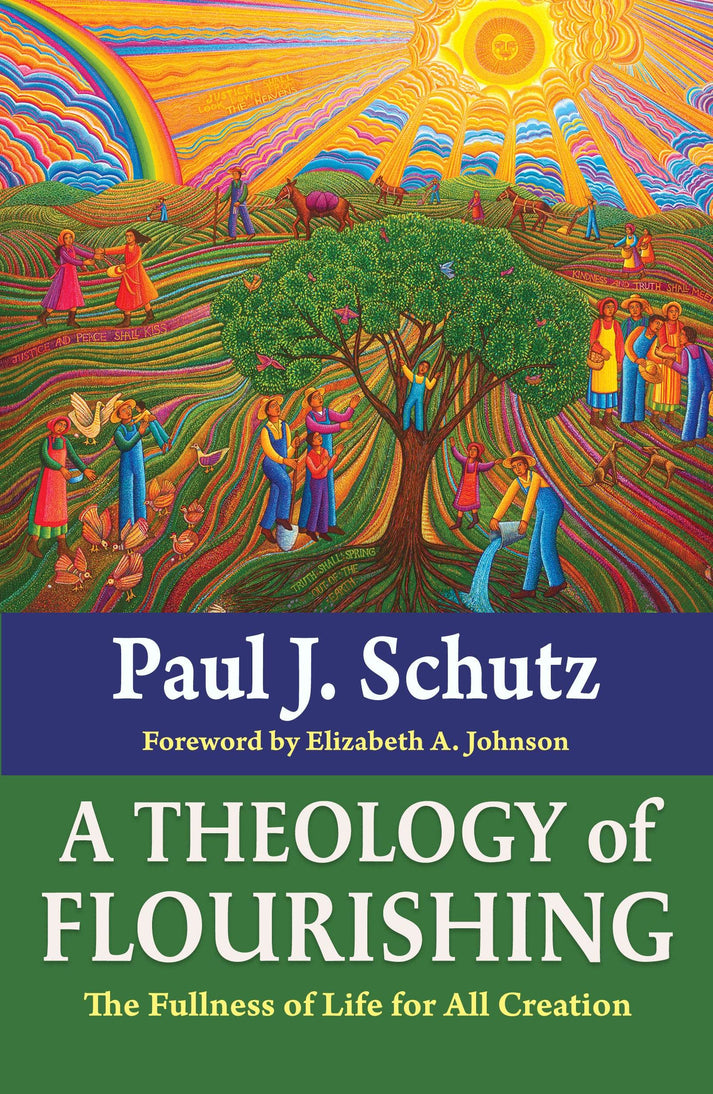
A Theology of Flourishing: The Fullness of Life for All Creation
By Paul J. Schutz (Orbis Books, 2025)
What if, instead of understanding salvation as an escape from this world, we saw it as bound up in the material conditions of our earthly
lives? This is the premise upon which Paul J. Schutz bases his new book, which envisions flourishing as the “starting point and center of gravity for Christian theology.”
Across three parts, A Theology of Flourishing articulates how the flowering of life in all its manifestations is the true measure of our religious commitment and fidelity to God’s intentions. Part I draws on ecofeminist thinkers Grace Jantzen and Elizabeth Johnson to challenge the idea that creation is a mere “prelude” to our fallen world. Part II engages a range of biblical and theological sources, including overlooked figures such as Nicholas of Cusa, to establish flourishing as not just a “corollary to salvation” but a spiritual program with its own rich history. The final part develops a theology of flourishing for our own fraught moment and offers four “test cases” to which this theology could be applied. Jesus’ words in John 10:10 (“I came that they may have life and have it abundantly”) echo throughout the text, providing a scriptural refrain for Schutz’s notion of flourishing as the “fullness of life” where we live “from our birth, not unto death.”
Schutz reminds us that “Christ saves all creation, not only humans” and that it is our special vocation to “act as agents of flourishing on behalf of all creatures, especially the ‘least of these.’ ” On this point, his theological imagination is exceptionally strong. The suggestion that “pondering the interiority of a squirrel outside a window might lead us to ponder our own sense of self” provides a living link to what he writes elsewhere: that the Holy Spirit functions “as the medium of God’s self-communication in every nook and cranny of the cosmos and in the depths of the human heart.”
—Michael Centore
Briefly noted:

The Christmas That Almost Wasn’t
By Laura Alary and Ana Eguaras (Beaming Books)
After Aidan’s family Christmas plans fall apart because of an ice storm, he gets a chance to hear about the special nature of the holiday’s origin when his mother shares the age-old Bible story.
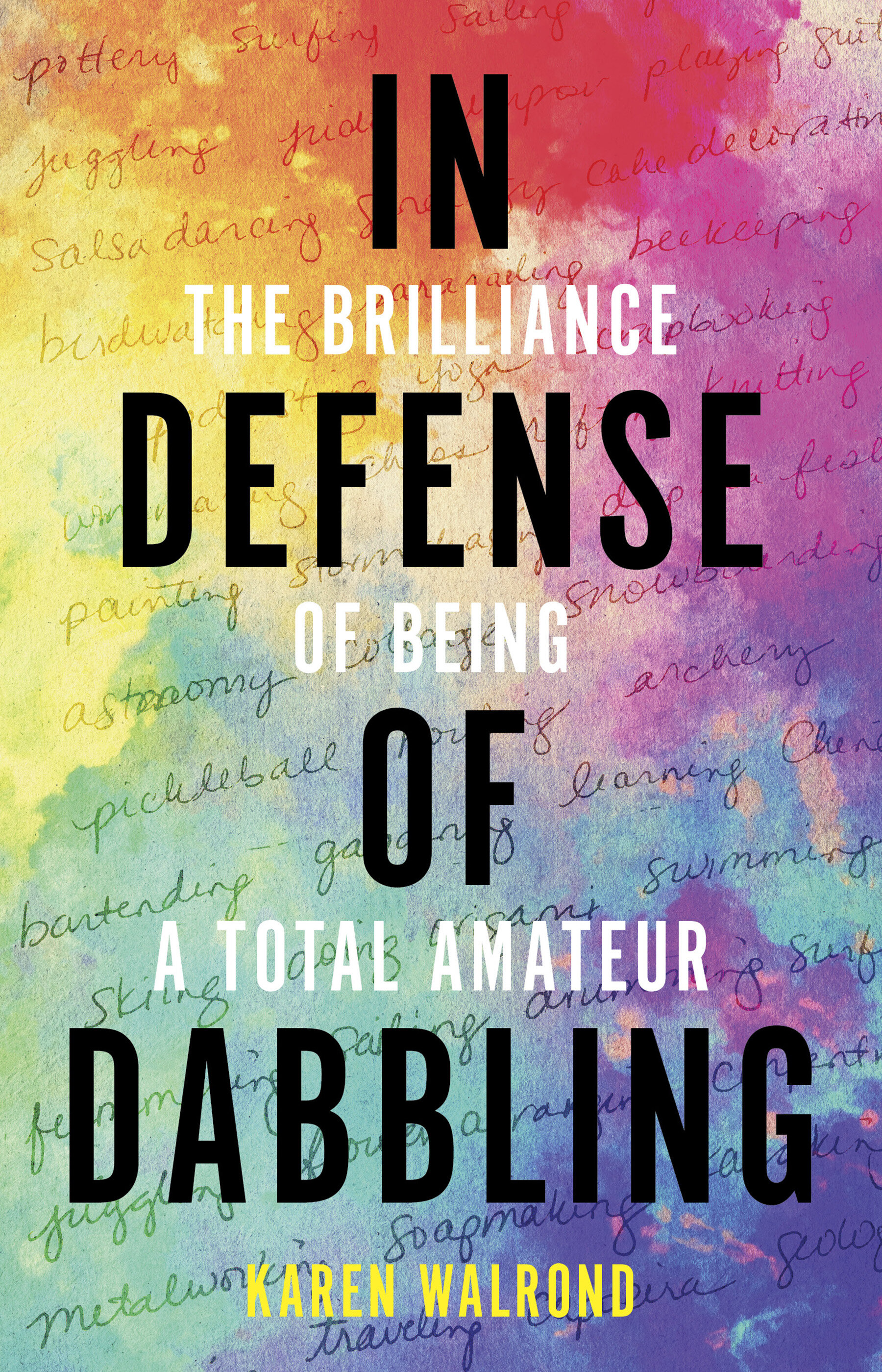
In Defense of Dabbling: The Brilliance of Being a Total Amateur
By Karen Walrond (Broadleaf Books)
Join Walrond on her “amateur” adventures as she tries her hand at a multitude of unfamiliar activities and teaches us to revel in the joy of chasing curiosity without worrying about skill level.

God’s Perfect Peace
By Glenys Nellist and Natalie Merheb (Paraclete Press)
A book of simple, rich blessings for you to pray over your children, grandchildren, and all the other little ones around you as the day comes to a close.
This article also appears in the December 2025 issue of U.S. Catholic (Vol. 90, No. 12, page 39). Click here to subscribe to the magazine.








Add comment