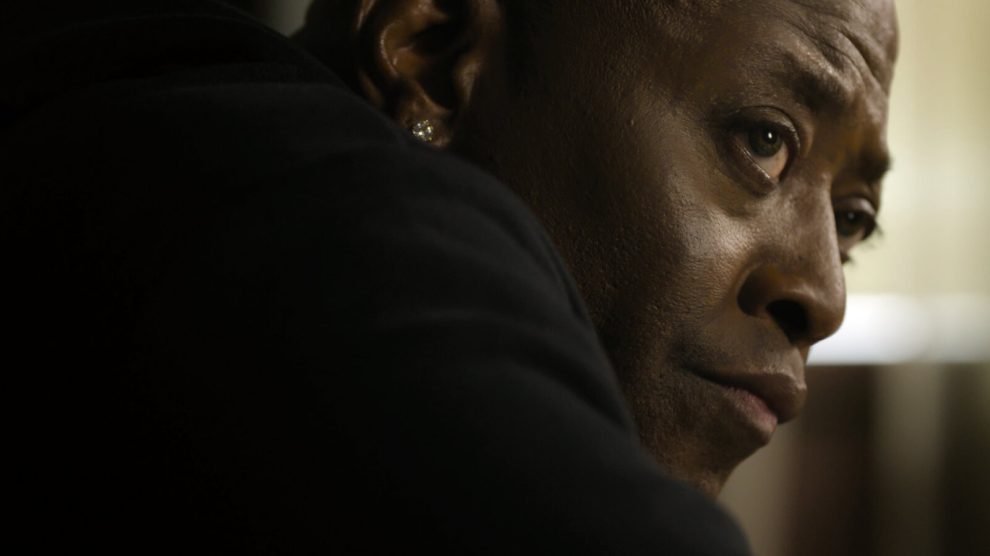
The story of Moses the Black, a 4th-century religious figure, comes to life on the streets of Chicago’s West Side in Yelena Popovic’s new film, Moses the Black. Backed by powerful names like 50 Cent, one of the executive producers, as well as Wiz Khalifa, Quavo, and Omar Epps, who play prominent characters in the film, this new release opened in theaters on January 31 this year.
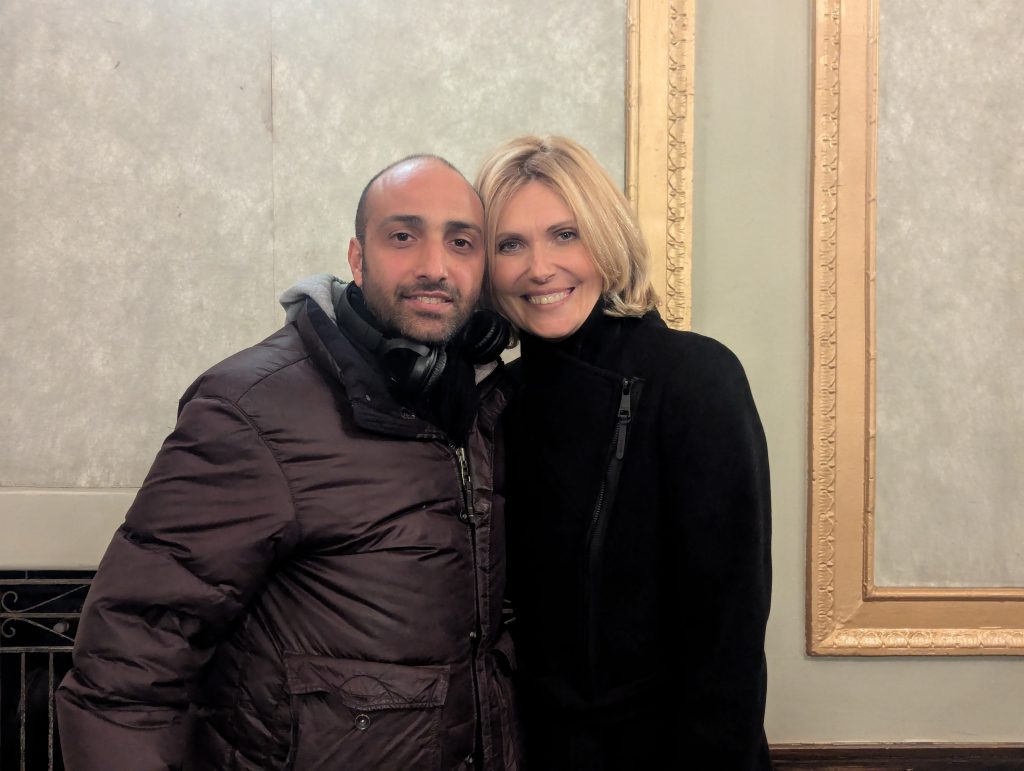
The film tells two stories in tandem: the life of a saint living in Egypt who wrestles with his violent past and the tale of a modern-day Chicago gangster who confronts the damaging realities of his lifestyle. Popovic takes the original narrative, with all the tensions present in Moses the Black’s life, and translates it into a story that might feel closer in time. “The most challenging [aspect of bringing the story to film] was the balance between those two worlds,” Popovic said at the film’s Chicago premiere. It was a challenge that paid off.
Moses the Black is a saint revered in the Orthodox tradition, and his story prefigures modern realities surrounding gang violence. He grew up in the streets of Egypt, going from slave to vagabond. Moses built a frightening reputation, committing acts of robbery and murder that granted him a position equivalent to that of a gang leader. However, when his search for a true God led him to a Christian monastery, his time with the monks moved him to desire liberation from the sins of his past. This grew into a journey of confession and repentance that led him to become a figure of humility for others after having been a symbol of fear for so long.
The modern-day story told in the film follows a similar trajectory while also alluding to the historical saint. The central character, Malik (Omar Epps), is a gang leader fresh out of prison and working to settle back into managing his people and reclaiming a grip on his territory. His first order of business is getting revenge for the fatal ambush that a rival gang launched against one of his closest friends, Sayeed. But when the same enemy group attempts a drive by shooting during Malik’s grandmother’s funeral, his view of this intimidation-run world begins to fracture. Struck by a panic attack in the aftermath, Malik pulls out a small portrait his grandmother had gifted him—an image of St. Moses the Black—and in it, he finds a small some semblance of peace.
As the film progresses, St. Moses’ story continues to haunt Malik, with one clear message coming through to him: The life he is living breeds pain and death, but even on the darkest path, the chance for redemption remains open.
Moses the Black is very much a Chicago story, as well as a Christian one. Popovic said she was excited about the chance to be at the Chicago screening, since the majority of the filming occurred there. “Being here is different; being here is like being home,” said Popovic as she reminisced on memories of Pulaski Road on the West Side.
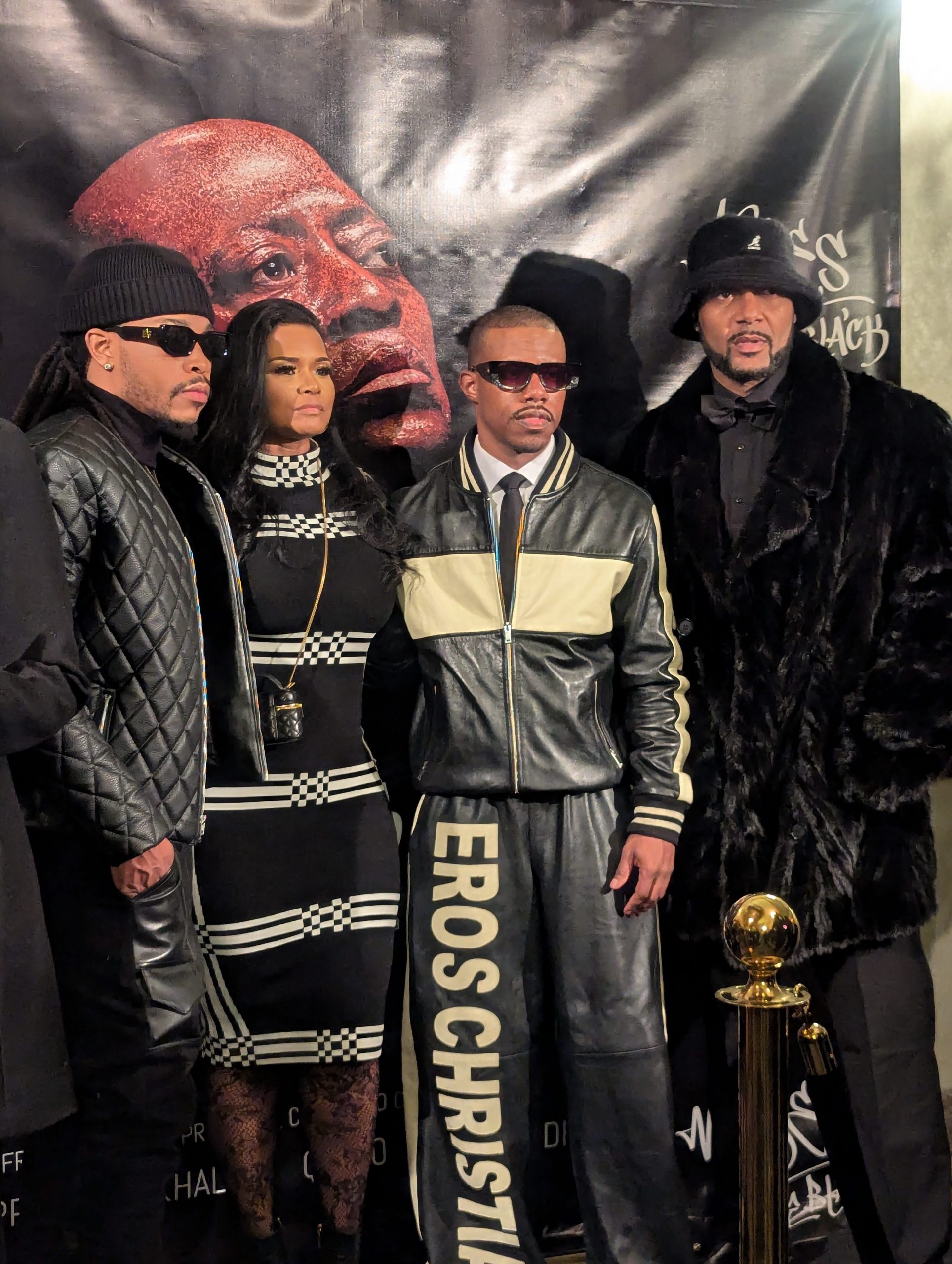
Some of the film’s supporting actors also commented on the importance of this story not only to the world but to the Chicago neighborhoods it is set in. JMB Bobby Hill, who plays one the gangsters in 2wo 3ree’s (Wiz Khalifa) crew, praised Popovic’s approach to the film and the way it could engage even nonreligious viewers, explaining that “she wanted to be able to touch on every level. So [you don’t only] got the religion stuff up in there. You also got the everyday people, the common things that’s going on within our communities, in urban communities within Chicago—all the crime, all the dysfunction, and all the peer pressures.”
One of film’s strongest messages, Hill said, is about redemption. “As long as you stand above ground. You can always [be] redeem[ed]. It’s never too late to do anything,” he said. He identified with the experiences of some of the characters because of his own friend who had been incarcerated under similar circumstances.
Christopher Eubanks, who plays the character Duck, shared this sentiment on the film’s relatability, and the universal scope of its message. “It don’t matter if you’re in church or if you’re in the street; what you put out is what you get back,” Eubanks said.
This idea, that reaping the product of your actions can be part of a path to redemption, is central to the story of both Malik and Moses the Black. Jesus’ admonition from Matthew 26:52, “he who lives by the sword, dies by the sword,” is a recurring motif in both their lives. Both Malik and Moses turn away from their old lives and choose to save lives rather than take them. And both ultimately die in violent ways. Malik’s final words are a plea for the redemption of those who stood by him in his crew: “Lord, have mercy on Sayeed, on 2wo 3ree, on all my brothers. We didn’t know better.”
The movie speaks especially to those still living under the pressure to fall into the cycle of gang violence that harms both others and themselves. It speaks to a world that sometimes makes people feel like they have no better option, pointing out the flaws in a system that pushes young people into crime. But most importantly, it reminds its audience that people are never beyond saving when it comes to God’s offer of redemption—even in the face of innumerable sins.
St. Moses the Black is now in theaters.
For the full movie trailer, which includes scenes of gun and knife violence, follow this link.
Image: Fathom Entertainment