• Digital Edition
  • Newsletters
  • Donate
  • Renew
  • Subscribe
U.S. Catholic
  • About
    • Mission
    • Who We Are
    • Contact Us
    • Write for Us
    • Advertise with Us
    • FAQ
  • Sections
    • Arts & Culture
    • Catholic Voices
    • In the Pews
    • Our Faith
    • Peace & Justice
    • Poetry
    • Religion
    • Saint Calendar
    • Spanish Content
  • Podcasts
  • Magazine
    • Current Issue
    • Issue Archive
    • Digital Edition
    • Advertise
    • Subscribe
    • Renew
  • Giving
subscribe
U.S. Catholic
  • About
    • Mission
    • Who We Are
    • Contact Us
    • Write for Us
    • Advertise with Us
    • FAQ
  • Sections
    • Arts & Culture
    • Catholic Voices
    • In the Pews
    • Our Faith
    • Peace & Justice
    • Poetry
    • Religion
    • Saint Calendar
    • Spanish Content
  • Podcasts
  • Magazine
    • Current Issue
    • Issue Archive
    • Digital Edition
    • Advertise
    • Subscribe
    • Renew
  • Giving
subscribe
U.S. Catholic
subscribe
  • About
    • Mission
    • Who We Are
    • Contact Us
    • Write for Us
    • Advertise with Us
    • FAQ
  • Sections
    • Arts & Culture
    • Catholic Voices
    • In the Pews
    • Our Faith
    • Peace & Justice
    • Poetry
    • Religion
    • Saint Calendar
    • Spanish Content
  • Podcasts
  • Magazine
    • Current Issue
    • Issue Archive
    • Digital Edition
    • Advertise
    • Subscribe
    • Renew
  • Giving

SHARE

FacebookXEmail
stem-cells

What is the debate about stem cells?

Religion
Father Thomas Nairn, O.F.M.
Published August 27, 2009

Think of a loved one suffering from Alzheimer’s disease or a child with spinal cord injuries. Imagine a treatment that promises their recovery at the cost of destroying “spare” embryos from fertility clinics, embryos that will probably be discarded anyway.

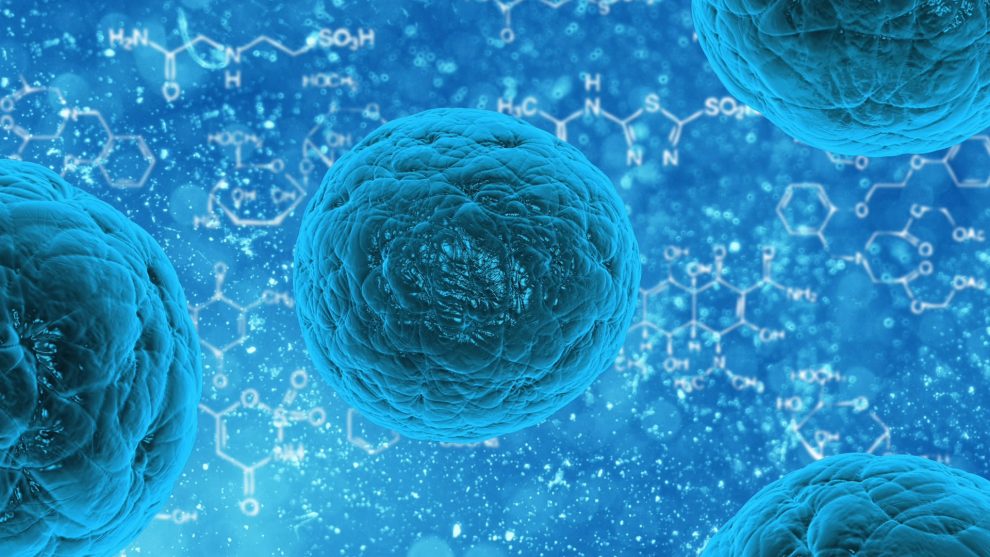
Stem cells are those cells in the body that are able to renew themselves and eventually differentiate to form specialized tissue cells, such as heart muscle. There are two general kinds of stem cells, adult and embryonic. Although there are a variety of sources for adult stem cells, for example bone marrow and umbilical cord blood, the primary source for most stem cells used in research is the embryo before implantation in the uterus, about a week after fertilization. These cells are more flexible than the adult variety, able to change into any tissue.

While all would agree on the potential benefit to many people from this new technology, the ethical debate has centered on the moral status of the early embryo (called a blastocyst) that is destroyed in the process. Many see the destruction of the blastocyst as acceptable. In fact, even the Catholic Church for much of its history did not believe that the embryo possessed a soul at this early stage.

In the past hundred years, however, the church has reevaluated this position. Today it considers the embryo a vulnerable human life. In June the U.S. Catholic bishops issued a pastoral statement on the subject that said in part that “no commitment to a hoped-for greater good can erase or diminish the wrong of directly taking human lives here and now. . . . Policies undermining our respect for human life can only endanger the vulnerable patients that stem cell research offers to help.”

Advertisement
Advertisement
ad promoting Claretian Mission Campaign

Until recently this impasse seemed impossible to bridge, but we might soon see a resolution to the debate. Embryonic stem cells have not been as easy to use therapeutically as thought, and at present no type of therapy uses them. In animal experiments they tend to cause tumors. Furthermore, the science of tissue repair is now seen as much more complicated than originally believed. It is not simply the replacement of lost or damaged cells.

At the same time, there are now already several dozen therapies using adult stem cells. Furthermore, researchers have been trying to make adult stem cells act more like their embryonic counterparts. In 2007 researchers at the University of Wisconsin reported that they had genetically re-programmed human skin cells to create cells virtually indistinguishable from embryonic stem cells. If this proves to be the case, there will be a source for human stem cells that have the flexibility that scientists need without the ethical problems.

This article appeared in the October 2008 issue of U.S. Catholic (Vol. 73, No. 10, page 41).
Advertisement
ad promoting El momento Catolico
Advertisement
TagsCatholic social teaching Glad You Asked Science and technology
orange ad promoting U.S. Catholic's upcoming redesign

About the author

Father Thomas Nairn, O.F.M.

Father Thomas Nairn, O.F.M. is the provincial minister of the Sacred Heart Province of Franciscans and the former senior director of theology and ethics at the Catholic Health Association of the United States.

You may also like

King David with a harp

Did David really write the psalms?

David A. Pitt
Handing over keys to house

Does the church support the right to private property?

Jacob Kohlhaas
Data center in the United Kingdom

AI’s environmental costs fall most heavily on the marginalized

Leonardo Mendoza
    Share This!
    Share
    FacebookXEmail

What’s trending

    Amy Ekeh reflects on the readings for the Feast of the Ascension
    Catholic Voices

    A Sunday reflection for May 17, 2026

    Amy Ekeh
    Emily Sanna and Stephanie Clary
    Uncategorized

    U.S. Catholic names new executive and managing editors

    The Editors
    weaving machines in a textile factory
    Peace & Justice

    A Luddite lesson in labor justice for our technocratic age

    Levi Checketts
    mystic-marriage-of-st-catherine-of-siena
    Religion

    Who are the doctors of the church? A chronological guide

    The Editors

SUBSCRIBE

DONATE

RENEW

SIGN UP FOR FREE NEWSLETTERS

Quick Links

  • Mission Statement
  • Who We Are
  • Reprint Policy
  • Job Opportunities
  • AI Policy
  • Advertise
  • Contact Us
  • Submissions
FOLLOW US
  • Facebook
  • Twitter
  • Instagram
  • Youtube
Copyright © 2026 US Catholic. All Rights Reserved | Terms of Use | Privacy Policy
a small white version of the USC logo